Our Social Identity and Belonging Training
At Centerboard, we believe that our people are our greatest strength. When every team member feels respected, valued, empowered, and supported, we are all better equipped to serve our community and fulfill our mission. To foster a thriving workplace, we are investing in what we call our Culture & Belonging work.
Learn more about how we have begun to bring this work to other non-profits.
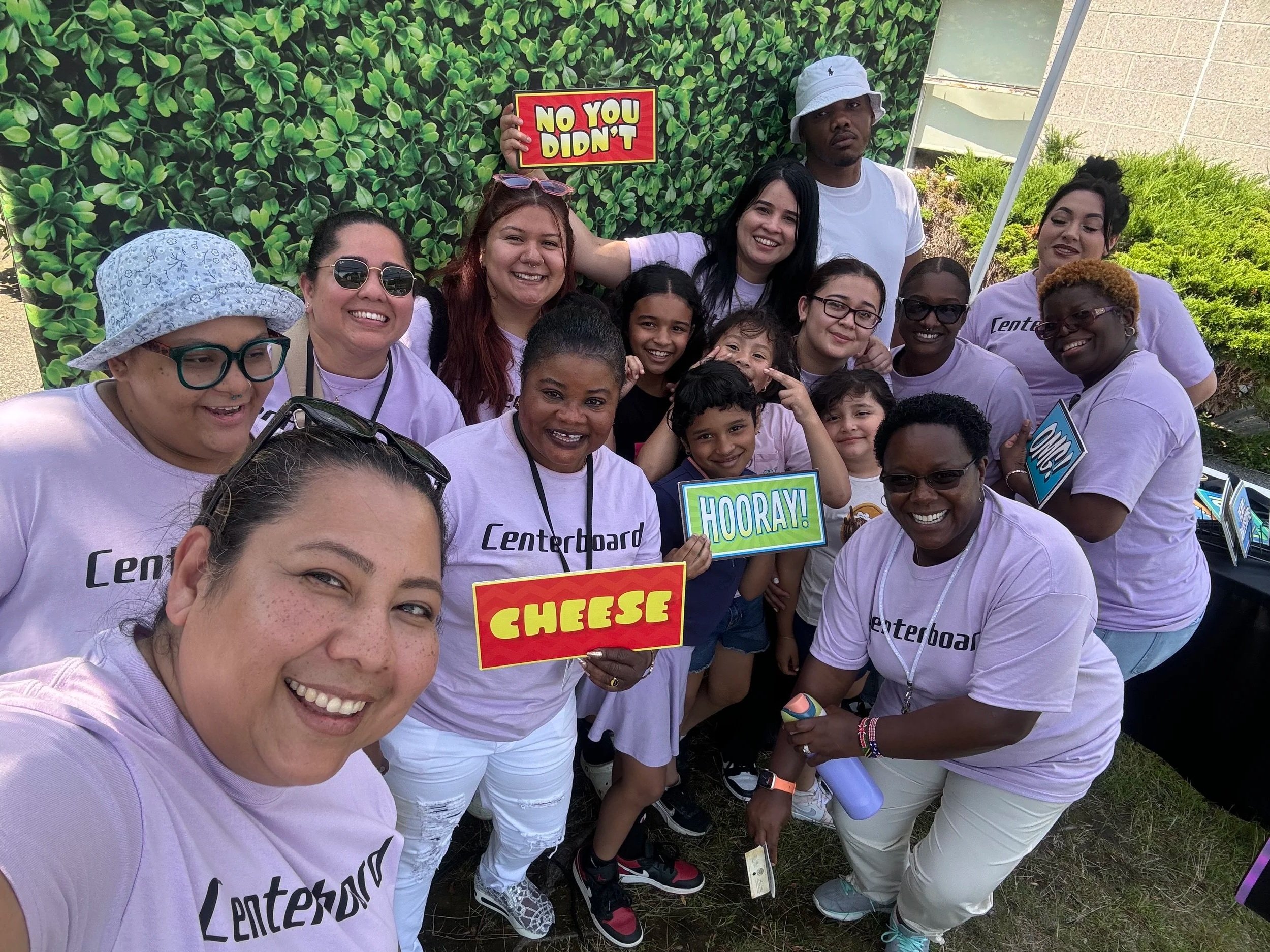
In 2010, Centerboard recognized that, in order to fully live our mission, we needed to look inward. At the time, we saw disparities in representation within leadership positions, including limited representation of people of color in management roles. We also recognized tensions and differing experiences among staff, including between English-speaking and bilingual employees, highlighting the need to better understand identity, culture, power, and inclusion within our organization.
This initiative is grounded in tools and practices from VISIONS, Inc., a nationally recognized organization that helps people and organizations create environments rooted in inclusion, equity, and shared humanity.
This isn’t about checking boxes or using buzzwords. It’s about building the skills and relationships that help us navigate difference, communicate across perspectives, and grow together.
At the heart of this work is a commitment to curiosity and understanding. We strive to approach one another with openness—using phrases like “help me understand” and remembering that all behavior makes sense when we have enough information. By suspending judgment and seeking deeper understanding, we create a culture where people feel seen, heard, and empowered to contribute fully.
We believe that when all people—staff, youth, and stakeholders—feel respected, heard, and supported, we are better able to fulfill our mission.
Our Framework
Grounded in Social Identity Awareness, our culture and belonging work embraces the lived experiences of individuals and communities based on a variety of social identities, including but not limited to: race/ethnicity, language, gender, gender identity, sexual orientation, ability, socioeconomic status, age, and spiritual beliefs. We recognize the ways systems of oppression and privilege impact individuals differently and commit to practices that promote inclusion and equitable outcomes across all levels of our organization.
Guiding Tools
These tools are introduced in mandatory orientation and used throughout the organization:
The Guidelines for Cross-Cultural Dialogue
The Multicultural Process of Change
Feelings as Messengers
The Cooperative Process
VISION Tools in Practice
The Guidelines encourage respectful dialogue across differences, providing language to repair disconnection and promote understanding.
Multicultural Process of Change helps us move from monoculturalism to cultural pluralism at the personal, interpersonal, institutional, and cultural levels.
Feelings as Messengers supports staff and youth in naming and processing emotions, enabling healthier communication and restorative action.
The Cooperative Process emphasizes equality, sufficiency, and shared responsibility in relationship-building.